
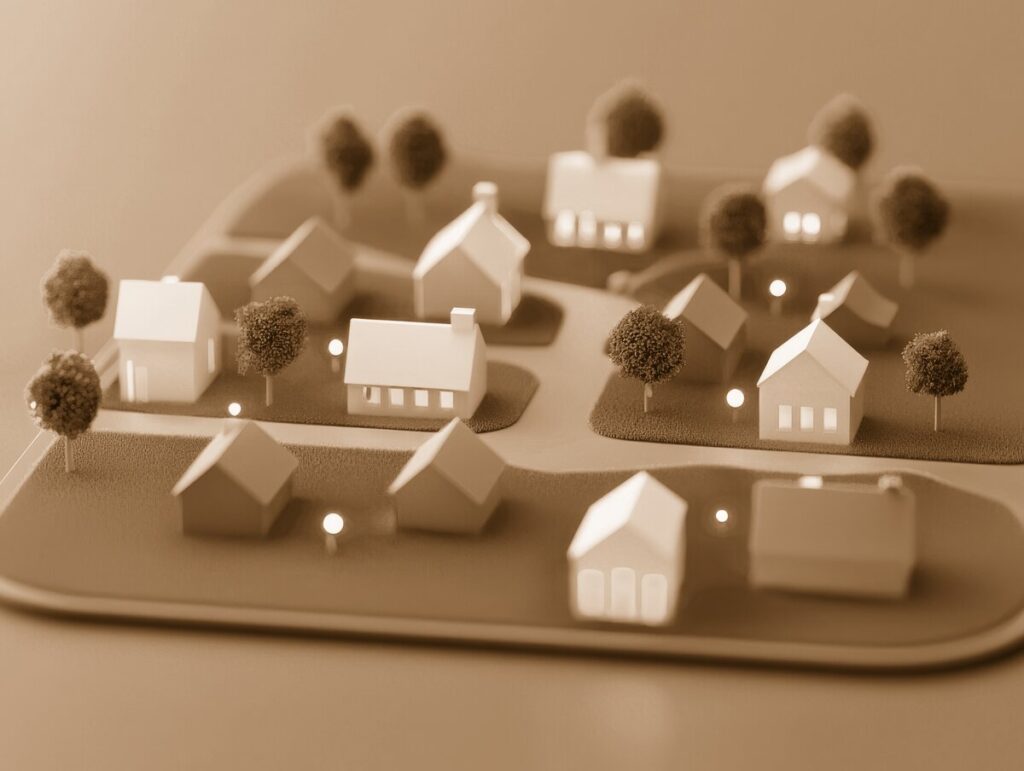
Nestled amidst the rolling landscapes of Madison’s west side, Marlborough Heights stands as a testament to thoughtful development, vibrant community, and an ever-evolving city heritage. While it might not be as widely celebrated as some older Madison neighborhoods, Marlborough Heights charms residents and visitors alike with its subtle beauty, rich tradition, and warm, welcoming spirit.
From Farmland to Neighborhood: The Origins of Marlborough Heights
The story of Marlborough Heights begins in the early 20th century, when this area was largely agrarian and Manhattan Drive saw little more traffic than an occasional milk wagon. As Madison expanded westward in the 1940s and 1950s, the demand for modern housing near the city’s growing academic and business centers led developers to eye the gentle ridges and pockets of oak savannah that would become this neighborhood.
The name “Marlborough Heights” draws inspiration from the area’s topography and a trend of adopting stately, English-sounding names in the mid-20th century, giving the community both an aspirational and inviting character. The “Heights” portion references the neighborhood’s elevated position overlooking the lands that slope down toward Odana Road and the Midvale Boulevard corridor.
Mapping Out the Neighborhood
Marlborough Heights is neatly bordered by Odana Road to the north, Gammon Road to the west, and the lush greenbelts that mark its southern and eastern edges. Key thoroughfares like Marlborough Drive, Richardson Street, and Hathaway Drive wind through mature trees and showcase a delightful mix of mid-century and contemporary homes.
- Marlborough Drive serves as the neighborhood’s backbone, lined with maple trees that blaze red and gold each fall.
- Nearby, the gentle curves of Flad Avenue and Barton Road reveal pockets of parks, hidden gardens, and benches perfect for neighborly chats or quiet moments.
Key Historical Milestones
1940s-1950s: The Birth of Suburban Style
Following World War II, Marlborough Heights was shaped by the postwar building boom. Developers like the George Hall Construction Company built the first capes, ranches, and split-levels—homes designed for young families eager to put down roots. Unlike denser neighborhoods nearer to downtown, lots here were larger, inviting backyards and gardens to become an integral part of neighborhood life.
1970s: Community Institutions Emerge
By the 1970s, Marlborough Heights had truly taken shape. The construction of public schools and recreational amenities became a focal point:
- Chavez Elementary School: Opened in the 1990s on Maple Grove Drive, this institution has since become a centerpiece of neighborhood pride.
- Elver Park: Though technically just beyond Marlborough Heights’ official boundaries, Elver Park is cherished by the community, with winter sledding hills and summer festivals that draw crowds from across the city.
1990s-Present: Renewal and Stewardship
As Madison’s population swelled into the new millennium, Marlborough Heights saw a gentle influx of new residents—young families, returning alumni, and retirees alike. The neighborhood association, founded in the mid-1990s, championed “neighbors helping neighbors”—organizing block parties, clean-up efforts, and annual flower plantings that have become cherished traditions.
Notable Landmarks and Local Gems
- Flad Park: Tucked behind the bustle of Whitney Way, Flad Park offers a haven for birdwatching, peaceful afternoons, and children’s laughter. Towering oaks here are some of the oldest in the area.
- Odana Hills Golf Course: To the northeast, residents take pride in their easy access to one of Madison’s classic public golf courses—an anchor for summer recreation.
- Elver Park: With its expansive sledding hill, sports fields, and fireworks shows, Elver Park is often described as Marlborough Heights’ “big backyard.”
- Neighborhood Walking Paths: Interconnected cul-de-sacs and shaded sidewalks make for ideal strolls in all seasons, with neighbors greeting each other by name.
How Marlborough Heights Has Evolved
Marlborough Heights has always been a neighborhood that balances tradition with change. Where once modest postwar homes stood among open fields, now families from diverse backgrounds gather for annual potlucks and yard sales. Mature maples arch over redesigned houses, some newly remodeled, blending the classic with the contemporary.
- The neighborhood association continues to play a vital role, advocating for traffic calming, green spaces, and accessible transit connections.
- Longstanding homeowners often pass their stories—of snowbound winters, Fourth of July parades, or decades-old playgroups—on to new arrivals eager to become part of the neighborhood quilt.
- As Madison grows, Marlborough Heights remains committed to a pace of life that values neighborliness, stewardship of public spaces, and the preservation of local history—ensuring that future generations will feel just as at home.
Why Marlborough Heights Feels Like Home
Perhaps what sets Marlborough Heights apart isn’t any single landmark but the gentle feeling of belonging it imparts. On summer nights, the sounds of screen doors and laughter spill onto the sidewalks. In winter, neighbors shovel together and children sled down the nearest hill. There’s pride in the neatly tended garden beds and the painted stones that line driveways as silent greetings to all who pass by.
Newcomers quickly learn the rhythm of the neighborhood—where to find the best leaf piles in October, which driveways host the friendliest Halloween displays, and that the heart of Marlborough Heights is, and always will be, its people.
For those lucky enough to call it home—or just to spend a sunny afternoon here—Marlborough Heights is a living chapter in Madison’s story. Its legacy endures not in grand monuments, but in the warmth that radiates from every block, from its mid-century beginnings to today’s vibrant, intergenerational community.